September 8, 2026
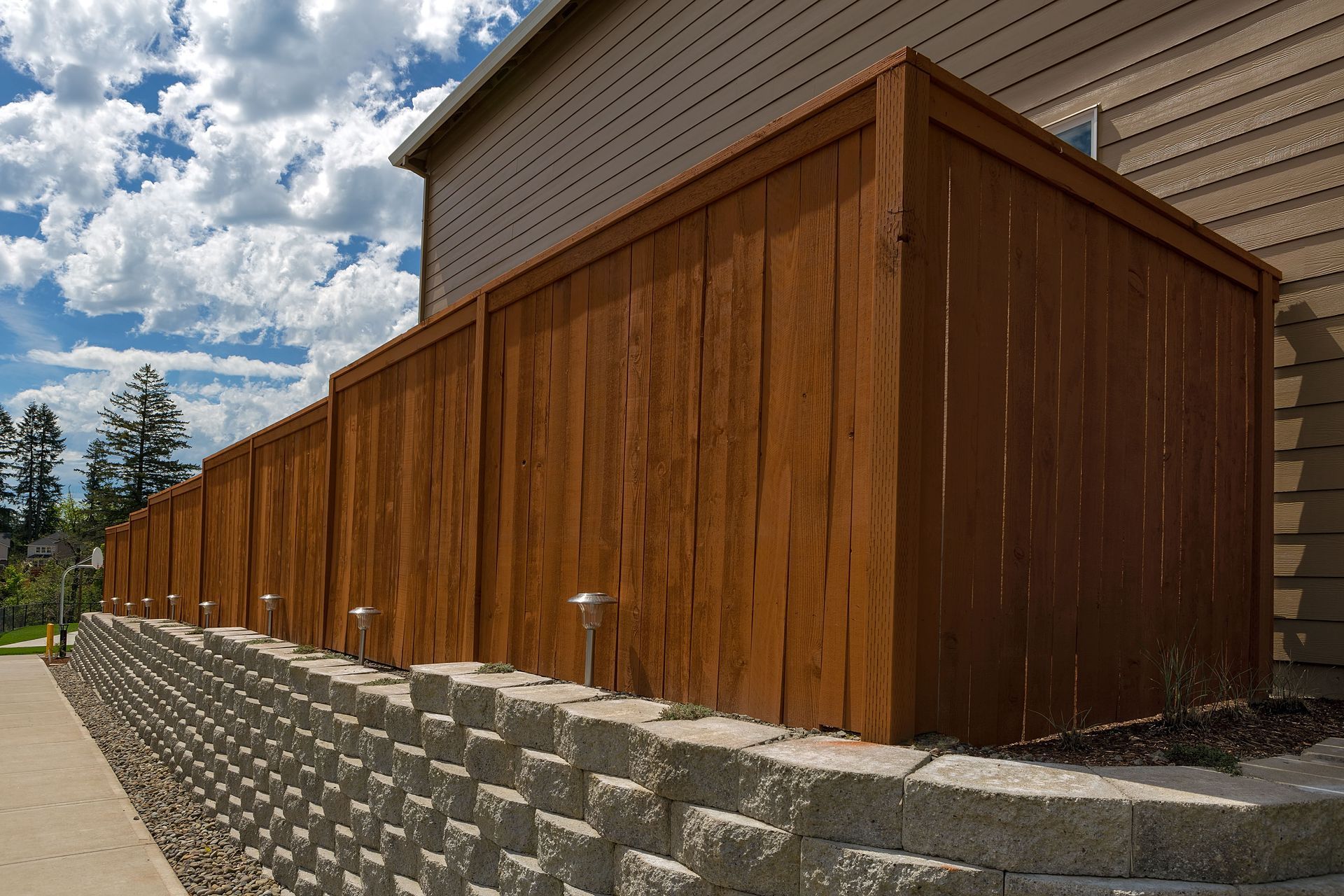
Wood fencing is a popular choice for homeowners due to its natural aesthetic appeal and versatility in design. Its popularity can be attributed to the warm, natural look it provides, blending seamlessly with different landscape designs. Beyond aesthetics, however, the lifespan of a wood fence depends largely on the quality of the materials used and how well the fence is maintained. Given the right conditions, wood fences, according to HomeGuide, can last up to 20 years, making them a long-term investment for property owners. Working with reputable fence companies can also help homeowners select appropriate materials and installation methods for their specific property. This article will explore the various factors that contribute to the longevity of wood fences, offering insights into how to select, install, and maintain a wooden fence that stands the test of time.
1. Selecting the Right Wood Type
When selecting wood for a fence, it's essential to consider the inherent characteristics that contribute to durability. Hardwoods such as oak and teak are renowned for their strength and resistance to wear, making them ideal for fencing. Softwoods, though generally less expensive, can also be a viable option if they possess certain qualities like natural oils that deter pest infestations. The density of the wood plays a crucial role in its ability to withstand strong winds and physical impacts. Ultimately, choosing wood with a fine grain and minimal knots can enhance the overall structure and longevity of the fence. Fence companies can help homeowners compare different wood species based on their property's conditions, budget, and desired appearance.
Cedar is often lauded as an excellent choice for fencing due to its natural resistance to rot and insects. The aromatic oil within cedar acts as a deterrent to termites and other pests, offering protection without the need for chemical treatments. In addition to these protective qualities, cedar is also resistant to warping and shrinkage caused by moisture, maintaining its shape over the years. Its natural beauty and distinctive smell are added benefits that make cedar a popular choice among homeowners. Furthermore, cedar's relatively lightweight nature makes it easier to install and handle compared to some heavier hardwoods.
Like cedar, redwood is known for its natural resilience and resistance to decay. Redwood's durability is due to its tight grain and natural tannins, which provide an internal defense mechanism against moisture infiltration and insect damage. It offers a rich, warm color palette that enhances any outdoor space, appealing to those seeking both functionality and aesthetic beauty. While it can be costlier than other wood options, the investment in redwood often pays off in the fence's longevity and minimal maintenance requirements. Additionally, redwood's environmental sustainability as a renewable resource further adds to its appeal for eco-conscious consumers.
2. Proper Installation Techniques
Proper installation is paramount in extending the lifespan of any wood fence. Engaging a professional ensures that the fence is installed correctly, providing stability and resistance against weather conditions. Professionals possess a comprehensive understanding of local building codes and regulations, ensuring compliance and avoiding future legal grievances. Furthermore, professional installers have the experience to identify and address site-specific challenges, such as slope or soil composition, that might affect the fence's performance. Reputable fence companies can account for these factors during the installation process, helping homeowners avoid common problems that compromise the structural integrity of their fences.
The foundation of any sturdy fence begins with correctly set posts. Posts should be firmly planted in concrete to prevent shifting and settling over time, crucial in areas with fluctuating environmental conditions. The depth of the post holes significantly influences the fence's stability, generally recommended at one-third of the post’s height above ground. Proper alignment and spacing of posts ensure even distribution of weight and stress, minimizing the risk of warping or leaning. Failure to set the posts properly can lead to structural issues and increased maintenance needs over the fence's lifetime.
Aligning fence panels evenly and securely is a vital step in achieving a visually appealing and structurally sound fence. Proper alignment helps to manage the expansion and contraction of wood due to temperature changes, reducing stress on the fasteners and joints. The use of string lines or a laser level during installation can greatly enhance precision, ensuring each panel is level and flush with its neighbors. Careful consideration should be given to the spacing between panels to allow for natural wood movement and prevent twisting. In addition, ensuring proper alignment contributes to fence privacy and security, particularly in residential settings.
3. Applying Protective Treatments
Sealing a wood fence is one of the most effective ways to preserve its life by protecting it from environmental elements. Sealants act as a barrier against water infiltration, which can cause wood to swell, warp, and eventually rot. In addition to protecting against moisture, sealants can also block harmful UV rays that can degrade the wood's surface, causing it to fade and become brittle. Applying a sealant right after installation and reapplying it periodically can significantly enhance the fence's aesthetic life and structural integrity. This proactive step is crucial to protecting the significant investment homeowners make when installing a wood fence.
Staining plays a dual role in extending the lifespan of wood fences by adding an extra layer of protection and enhancing its appearance. Unlike paint, stains penetrate the wood, preserving its natural texture while providing some degree of UV protection to prevent discoloration and surface damage. Regular staining not only helps maintain the fence's vibrant color but also reinforces its defense against moisture and decay. Depending on exposure to weather conditions and the type of stain used, reapplication every two to three years is often recommended. Staying consistent with staining schedules ensures long-term preservation and visual appeal.
Water repellents are a valuable addition to the defensive measures for keeping wood fences in top condition. These treatments help resist water absorption, preventing the swelling and contracting cycles that lead to cracking and rot. While some wood types are naturally water-resistant, applying a dedicated water-repellent solution provides an additional safeguard, especially in humid or rainy climates. Many repellent products also contain UV inhibitors that offer further protection against the sun's damaging effects. To ensure maximum protection, it is essential to follow the manufacturer's application instructions, including timing and methods of reapplication.
4. Maintenance and Upkeep
Keeping a wood fence clean is fundamental to ensuring its long-term viability and maintaining its appearance. Regular cleaning helps remove dirt, mold, mildew, and other organisms that thrive on dampness, potentially compromising the wood's integrity. Using soap and water, a mild detergent, or a specialized wood cleaner can effectively clean the surface without stripping it of protective oils. Power washing should be used with caution, as it may damage the wood if applied with high pressure or incorrect technique. Seasonal cleaning not only improves the fence's look but also prolongs its life by keeping it in optimal condition.
Periodic inspections are necessary to catch the early signs of rot and structural damage that could lead to more extensive issues. Common indicators of wood rot include discoloration, soft spots, and areas that remain damp longer than others, particularly at the base of posts. Identifying these symptoms early allows for prompt remediation, such as applying wood preservative treatments or replacing damaged sections. Inspections should also check for loose nails, warping, and other structural issues that could threaten the fence's stability. A systematic approach to inspection can lower maintenance costs and extend the fence's functional lifespan. Homeowners who have concerns about damage or deterioration can consult
fence companies to determine whether a repair or replacement is more appropriate.
Timely repairs are crucial in preserving the integrity of a wood fence and preventing minor issues from escalating into costly replacements. Repairs often involve replacing individual panels, boards, or entire sections affecting the structural balance, requiring tools like saws, hammers, and nails. Splits or cracks in the wood can sometimes be addressed using wood fillers, or reinforcement with braces or brackets may be required. Early detection through regular inspections makes repairs more manageable and cost-effective. Homeowners can safeguard their investment by addressing each issue promptly while avoiding deterioration of the surrounding wood. When repairs involve extensive damage, fence companies can evaluate the affected areas and recommend solutions that support the fence's continued performance. Contact Fence Pro, LI Inc today for more information.